Spacecraft catalog
Beyond the launch vehicle.
571 capsules, orbiters, cargo vehicles, stations, and spacecraft from across the program.
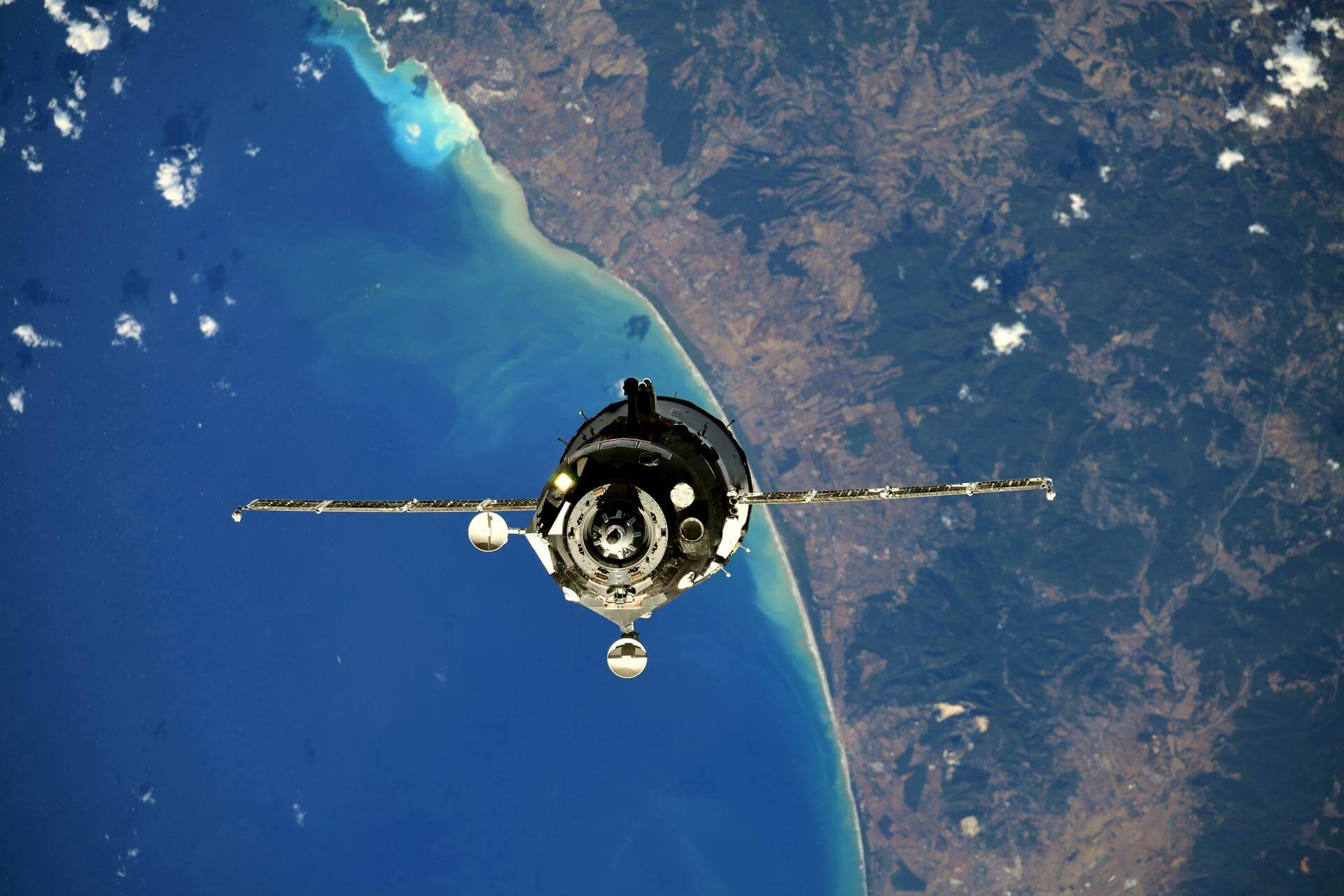
Soyuz MS-19
Russian Federal Space Agency (ROSCOSMOS)
Soyuz spacecraft for the Soyuz MS-19 mission to the ISS.
Soyuz MS-20
Russian Federal Space Agency (ROSCOSMOS)
Launched to the ISS in December 2021.
Soyuz MS-21
Russian Federal Space Agency (ROSCOSMOS)
Launched to the ISS in March 2022.
Soyuz MS-22
Russian Federal Space Agency (ROSCOSMOS)
Scheduled to launch to the ISS in Fall 2022.
Soyuz MS-23
Russian Federal Space Agency (ROSCOSMOS)
Scheduled to launch to the ISS in early 2023.
Soyuz MS-24
Russian Federal Space Agency (ROSCOSMOS)
Launched to the ISS in september 2023.
Soyuz MS-25
Russian Federal Space Agency (ROSCOSMOS)
Spacecraft launched to the ISS in March 2024.
Soyuz MS-26
Russian Federal Space Agency (ROSCOSMOS)
Spacecraft launched to the ISS in September 2024.
Soyuz MS-27
Russian Federal Space Agency (ROSCOSMOS)
Spacecraft launched to the ISS in March 2025.
Soyuz MS-28
Russian Federal Space Agency (ROSCOSMOS)
Soyuz capsule for the MS-28 mission to the ISS.
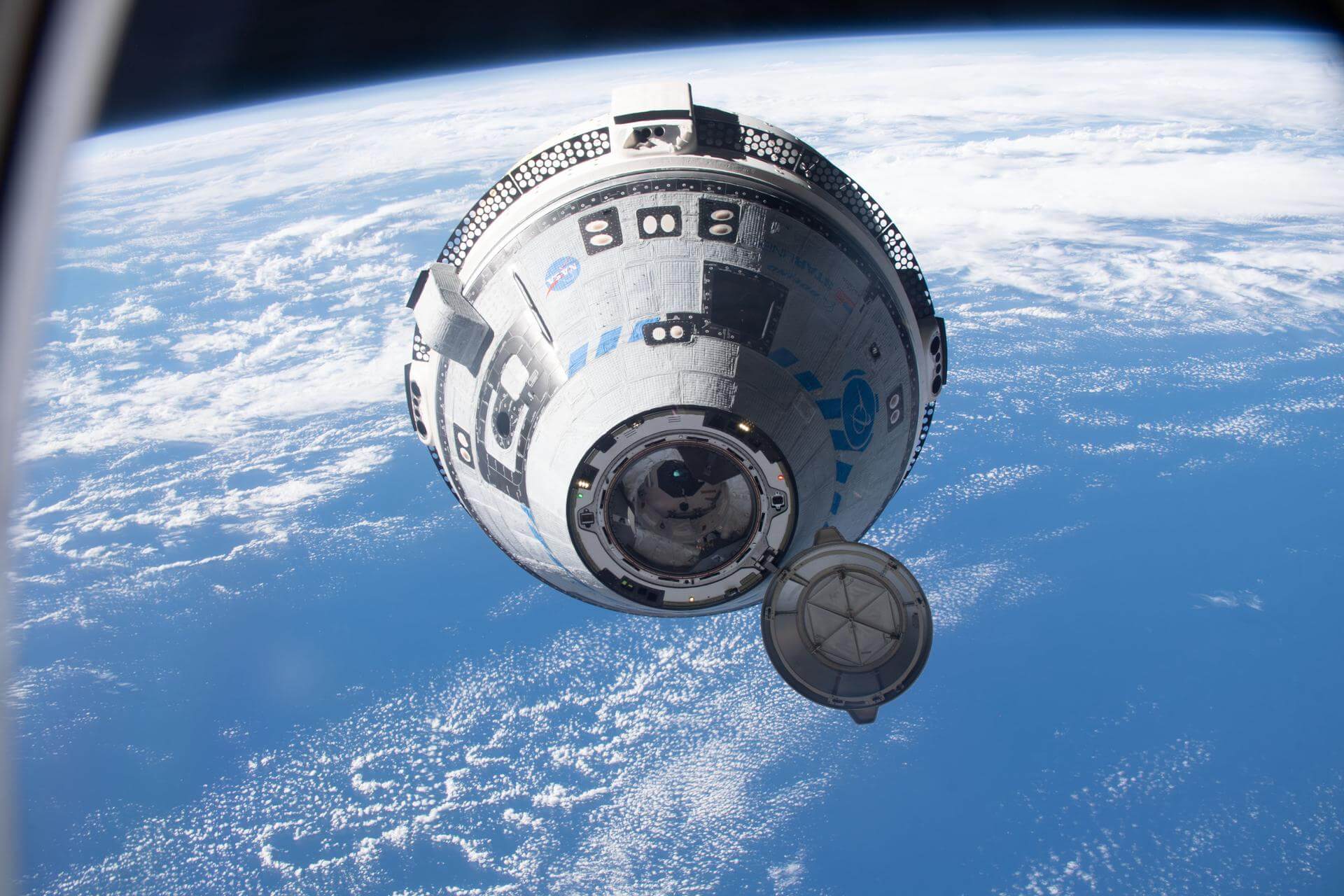
Starliner 2
Boeing
The second CST-100 Starliner capsule to fly.
Starliner Calypso
Boeing
The first CST-100 Starliner capsule to fly.
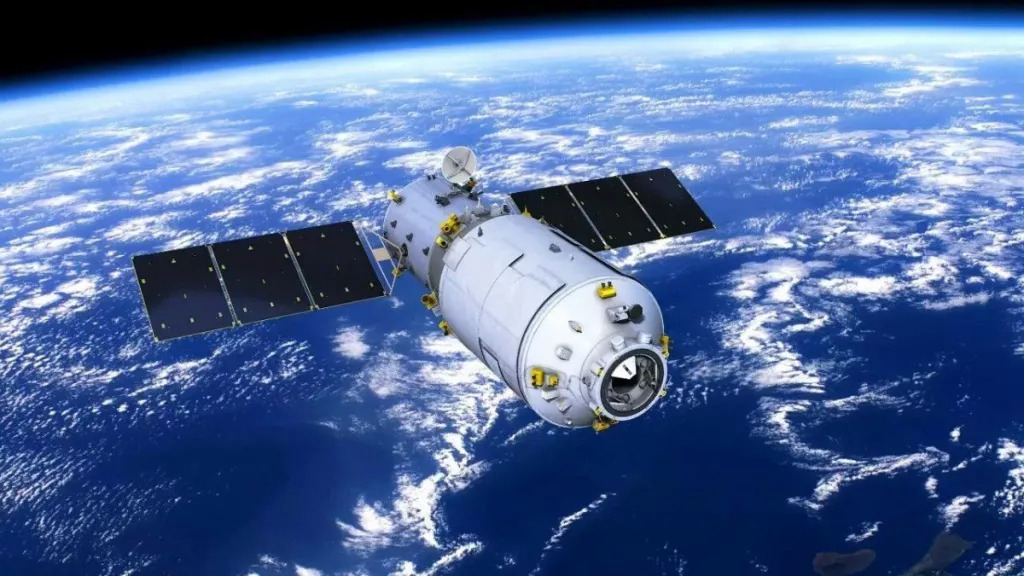
Tianzhou-1
China Aerospace Science and Technology Corporation
First operational Tianzhou spacecraft. Launched to the Tiangong-2 space station.
Tianzhou-2
China Aerospace Science and Technology Corporation
Second operational Tianzhou spacecraft. First spacecraft to dock with the Chinese Space Station.
Tianzhou-3
China Aerospace Science and Technology Corporation
Third operational Tianzhou spacecraft
Tianzhou-4
China Aerospace Science and Technology Corporation
Fourth operational Tianzhou spacecraft
Tianzhou-5
China Aerospace Science and Technology Corporation
Fifth operational Tianzhou spacecraft
Tianzhou-6
China Aerospace Science and Technology Corporation
Sixth operational Tianzhou spacecraft
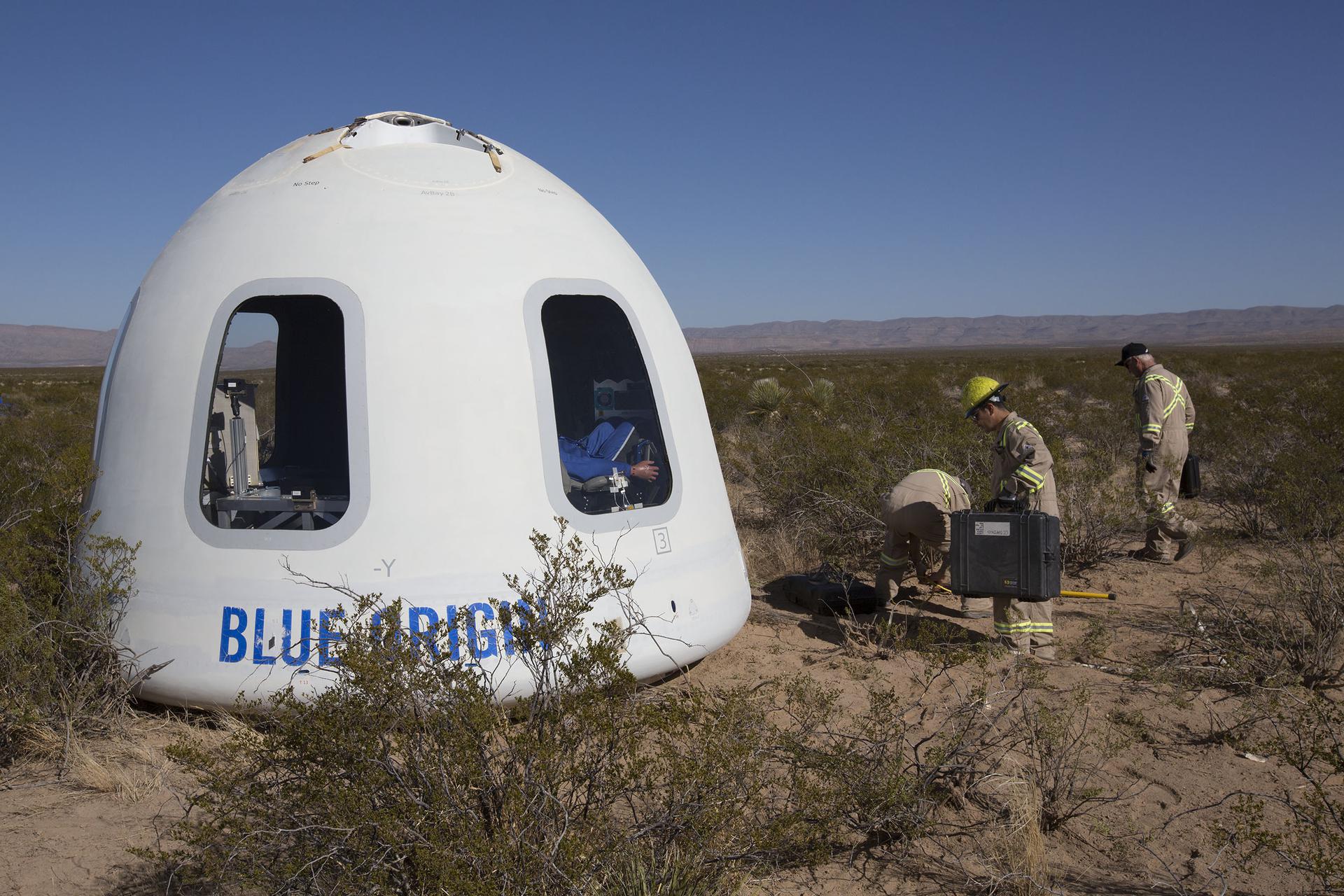
Unknown RSS
Blue Origin
The specific spacecraft for this launch is currently unknown.
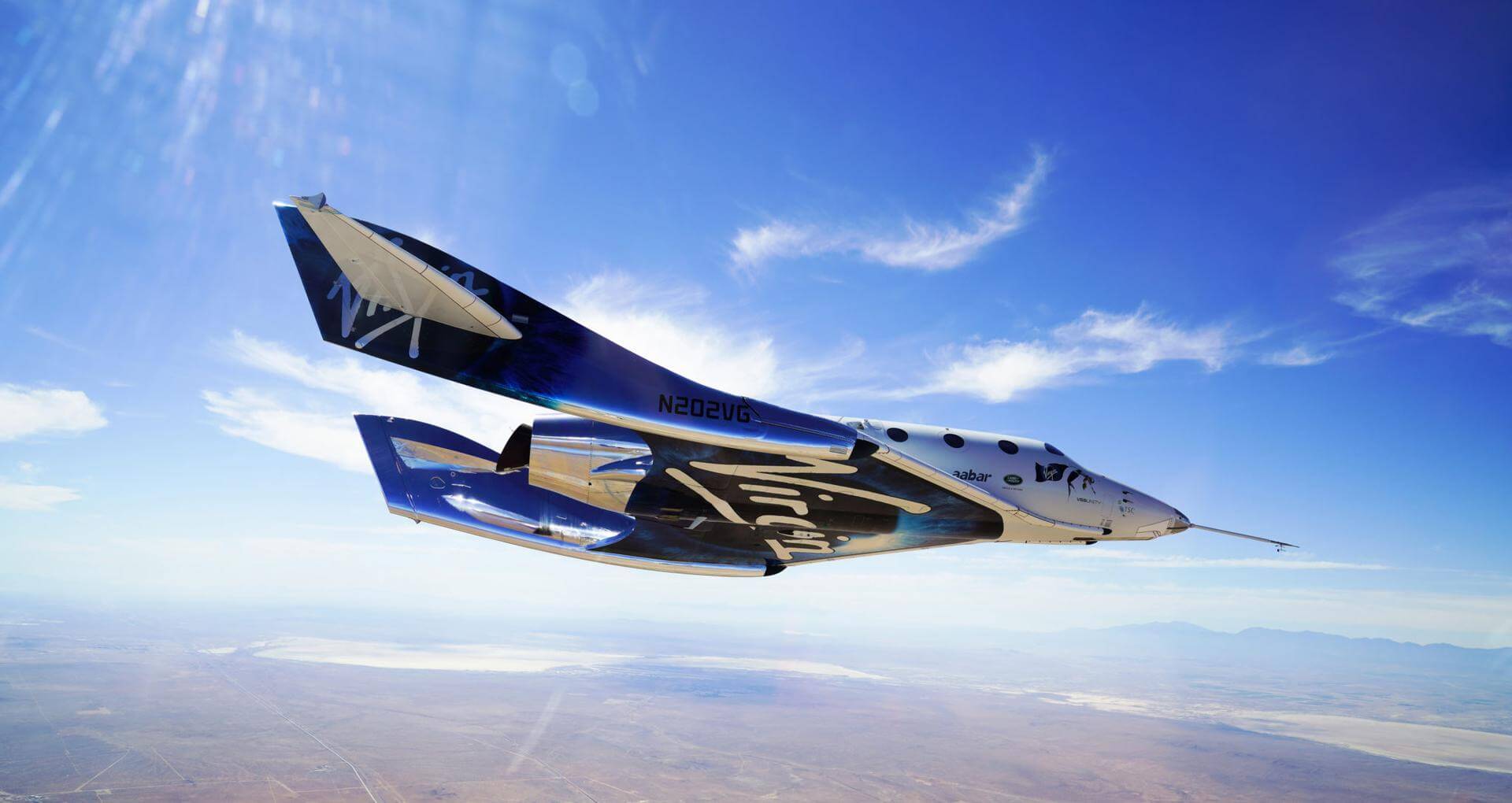
VSS Enterprise
Virgin Galactic
VSS Enterprise was the first SpaceShipTwo (SS2) spaceplane, built by Scaled Composites for Virgin Galactic. As of 2004, it was planned to be the first of five commercial suborbital SS2 spacecraft planned by Virgin Galactic. Enterprise was destroyed during a powered test flight on 31 October 2014, killing one pilot, Michael Alsbury, and seriously injuring another, Peter Siebold. An investigation revealed the accident was caused by premature deployment of the "feathering" system, the ship's descent device; the NTSB also faulted the spacecraft's design for lacking fail-safe mechanisms that could have deterred or prevented early deployment.
VSS Unity
Virgin Galactic
VSS Unity, previously referred to as VSS Voyager, is a SpaceShipTwo-class suborbital rocket-powered crewed spaceplane. It is the second SpaceShipTwo to be built and will be used as part of the Virgin Galactic fleet.
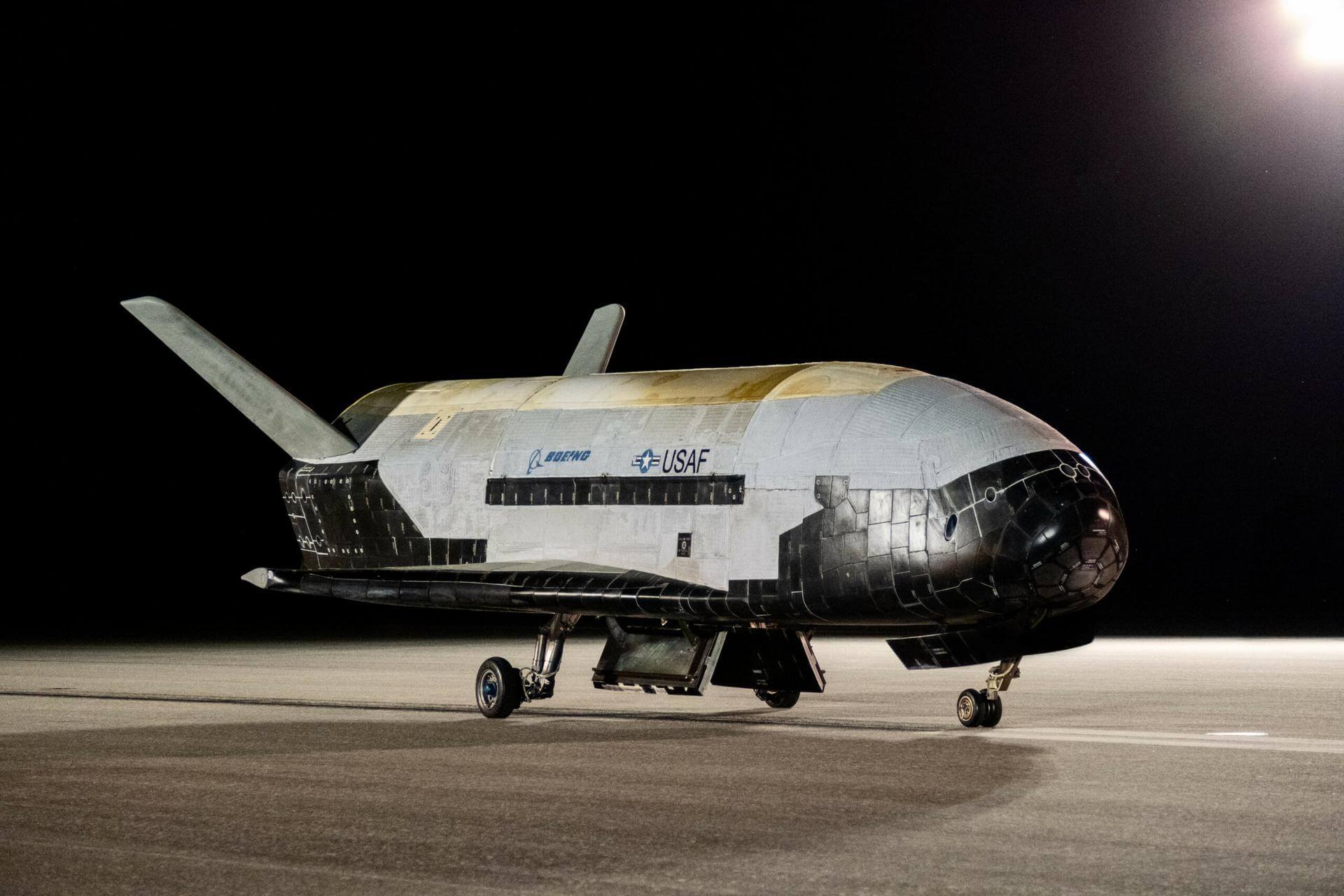
X-37B 1
Boeing
First X-37B. First flight on April 22, 2010.
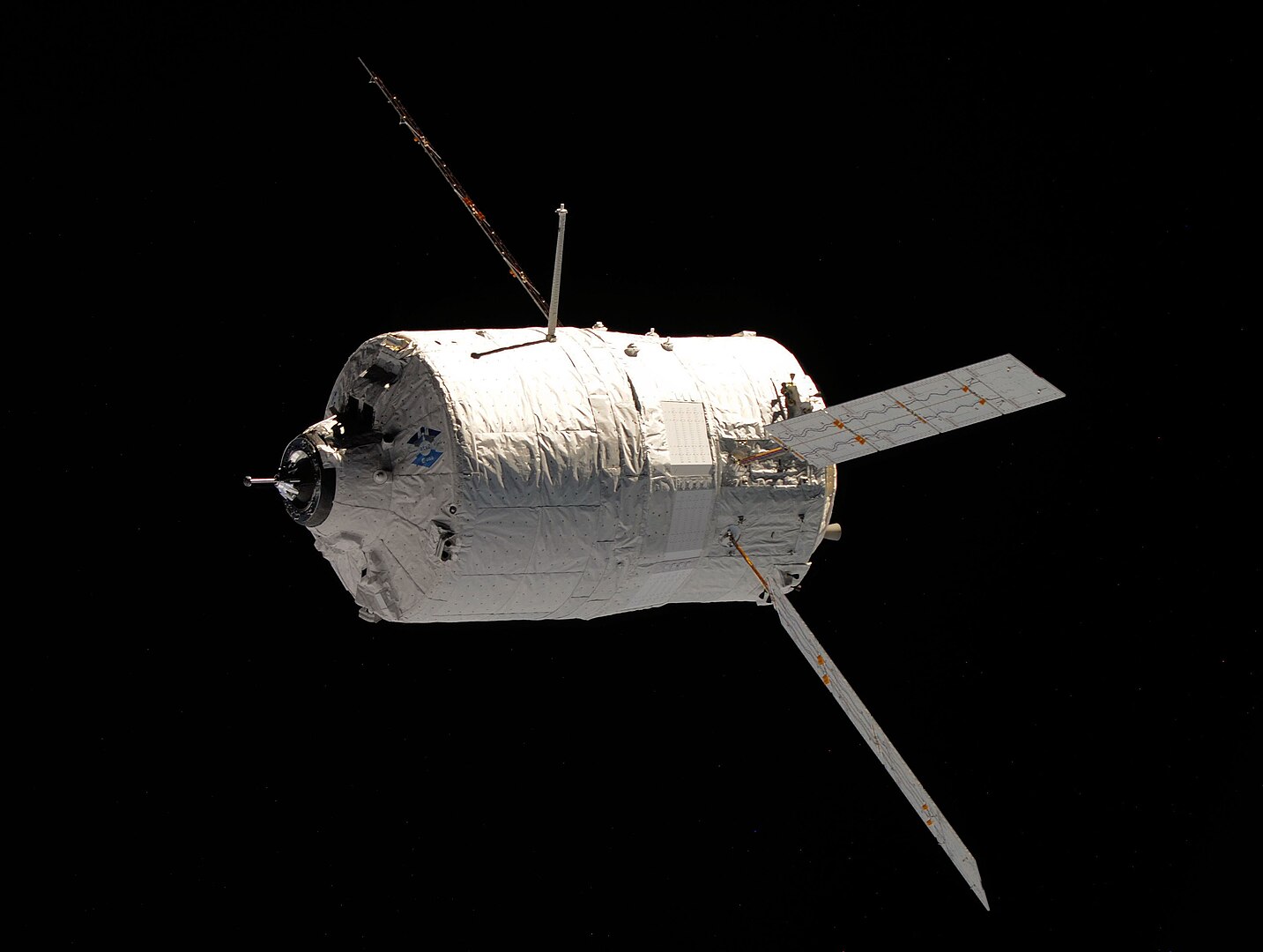
Albert Einstein ATV
Arianespace
The Albert Einstein ATV, or Automated Transfer Vehicle 004 (ATV-004), was a European unmanned cargo resupply spacecraft, named after the German-born physicist Albert Einstein. It was built to supply the International Space Station (ISS) with propellant, water, air, and dry cargo, and also to reboost the station's altitude with its thrusters. It was the fourth and penultimate ATV to be built, following the Edoardo Amaldi, which was launched in March 2012. Albert Einstein's components were constructed in Turin, Italy, and Bremen, Germany, and underwent final assembly and testing in Bremen in 2012. The spacecraft left Bremen for Kourou on 31 August 2012 to begin launch preparations.
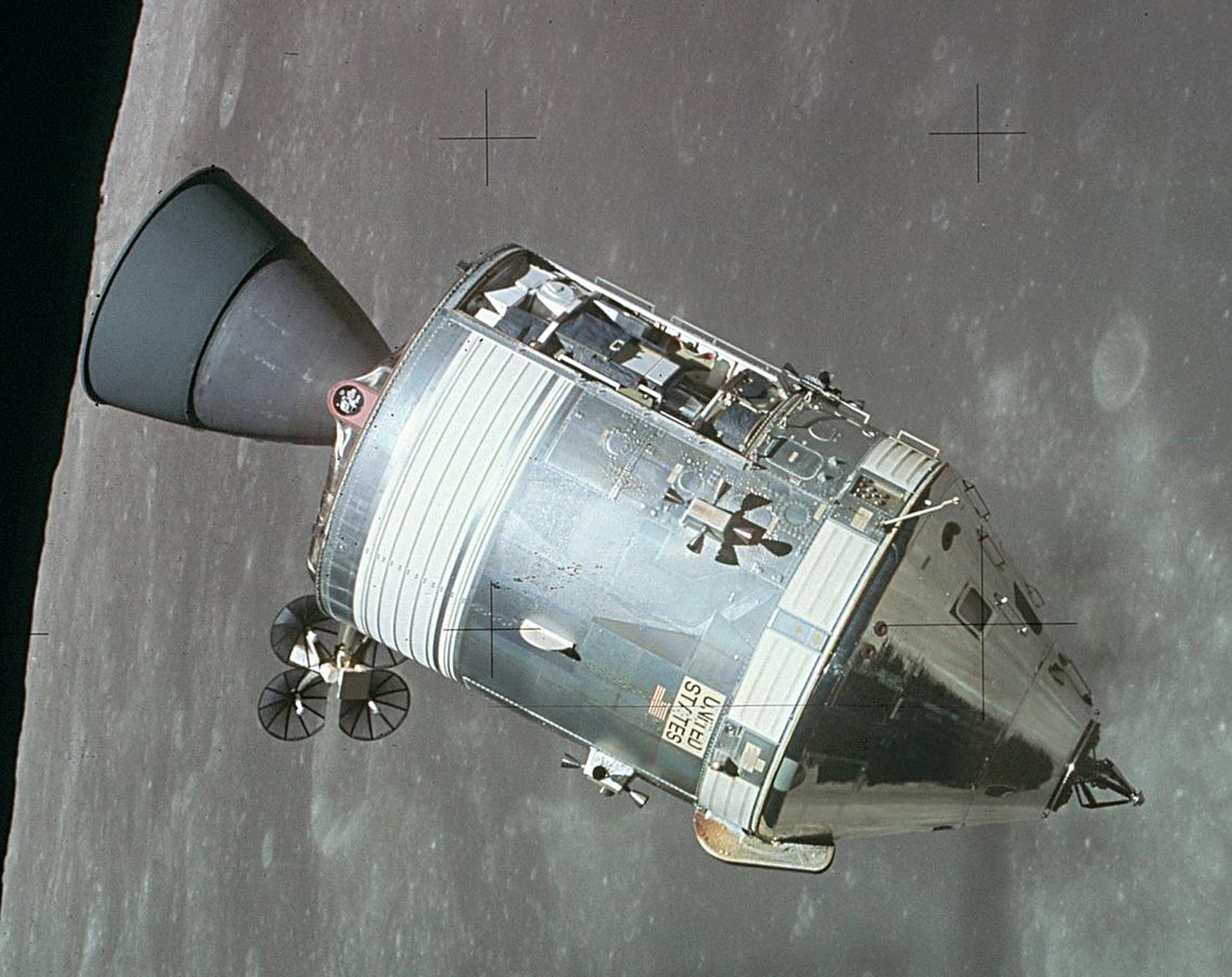
Apollo America CSM-114
North American Aviation
CSM-114 "America" was an Apollo Command & Service Module used in the Apollo 17 mission.