Spacecraft catalog
Beyond the launch vehicle.
571 capsules, orbiters, cargo vehicles, stations, and spacecraft from across the program.
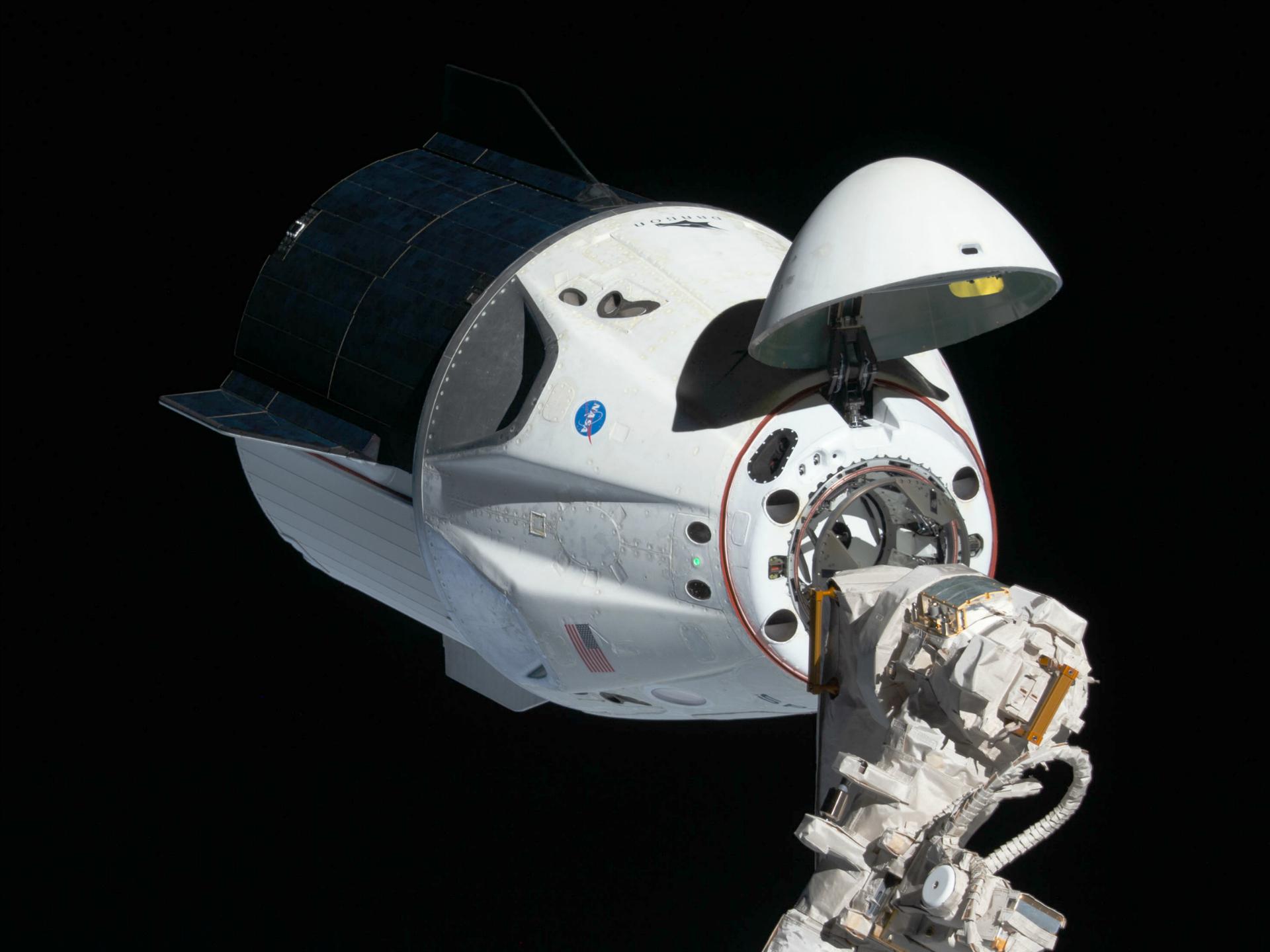
Crew Dragon Endeavour
SpaceX
Crew Dragon 6 is the Crew Dragon spacecraft launched on the SpaceX DM-2 demonstration mission to the ISS.
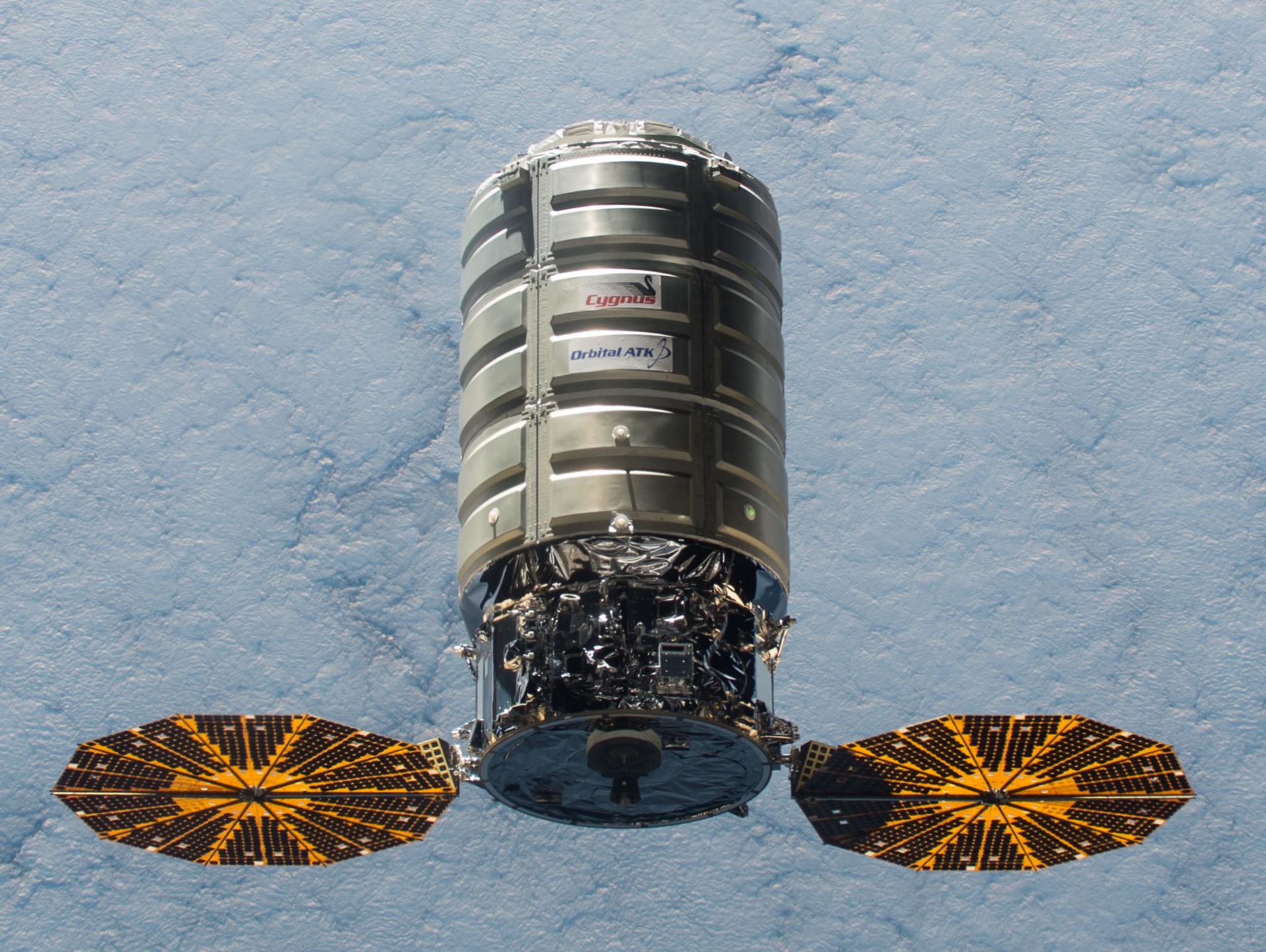
Cygnus CRS NG-20 (S.S. Patricia “Patty” Hilliard Robertson)
Northrop Grumman Space Systems
This is the twentieth flight to the ISS by the Cygnus spacecraft under the CRS program and their ninth under the CRS-2 program. This is also the 16th use of the enhanced size Cygnus.
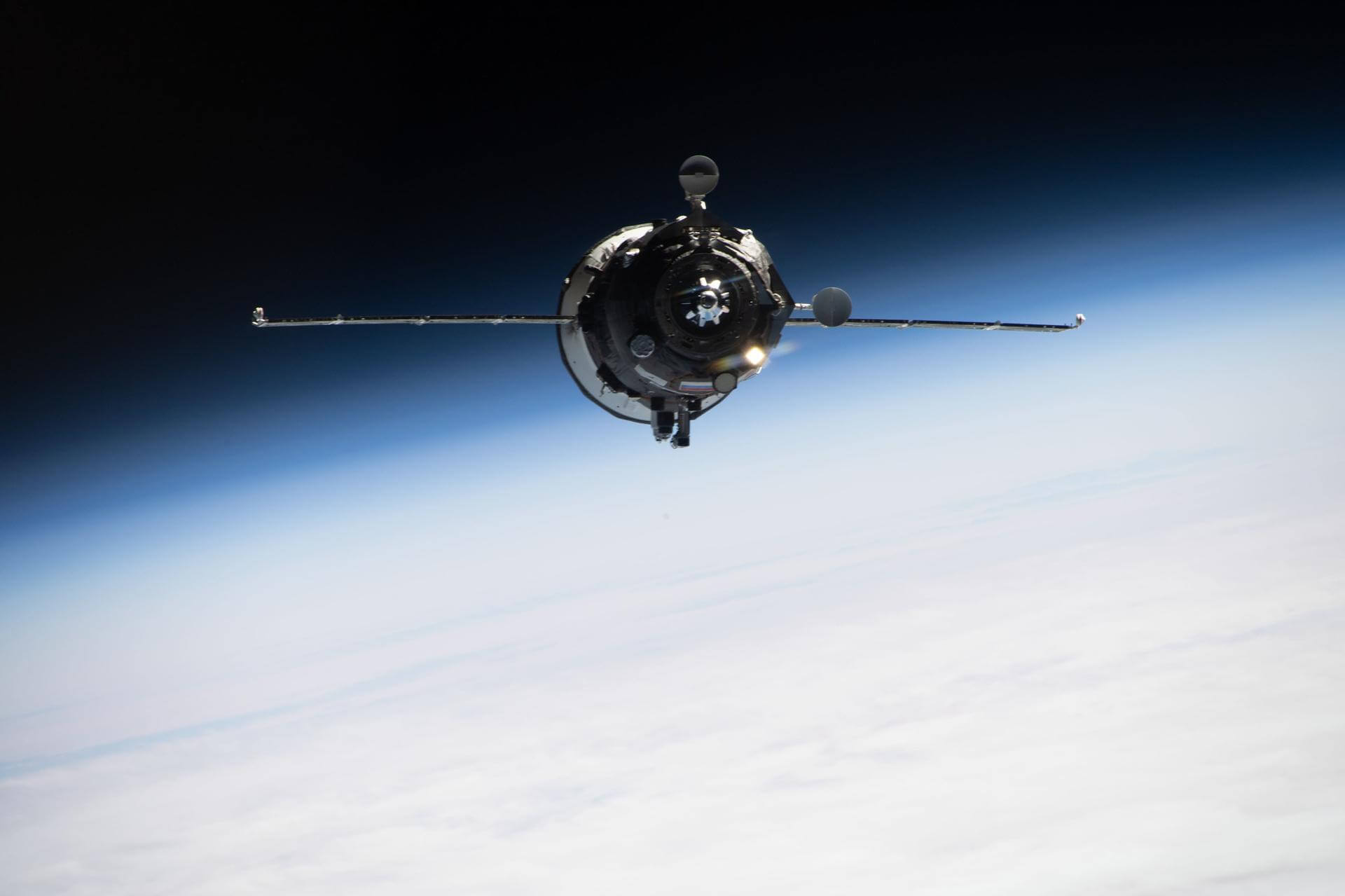
Progress MS-24
Russian Federal Space Agency (ROSCOSMOS)
Progress MS-24 is a Progress spacecraft used by Roscosmos to resupply the International Space Station (ISS).
Progress MS-25
Russian Federal Space Agency (ROSCOSMOS)
Progress MS-25 is a Progress spacecraft used by Roscosmos to resupply the International Space Station (ISS).
Progress-MS 26
Russian Federal Space Agency (ROSCOSMOS)
Progress MS-26 is a Progress spacecraft used by Roscosmos to resupply the International Space Station (ISS).
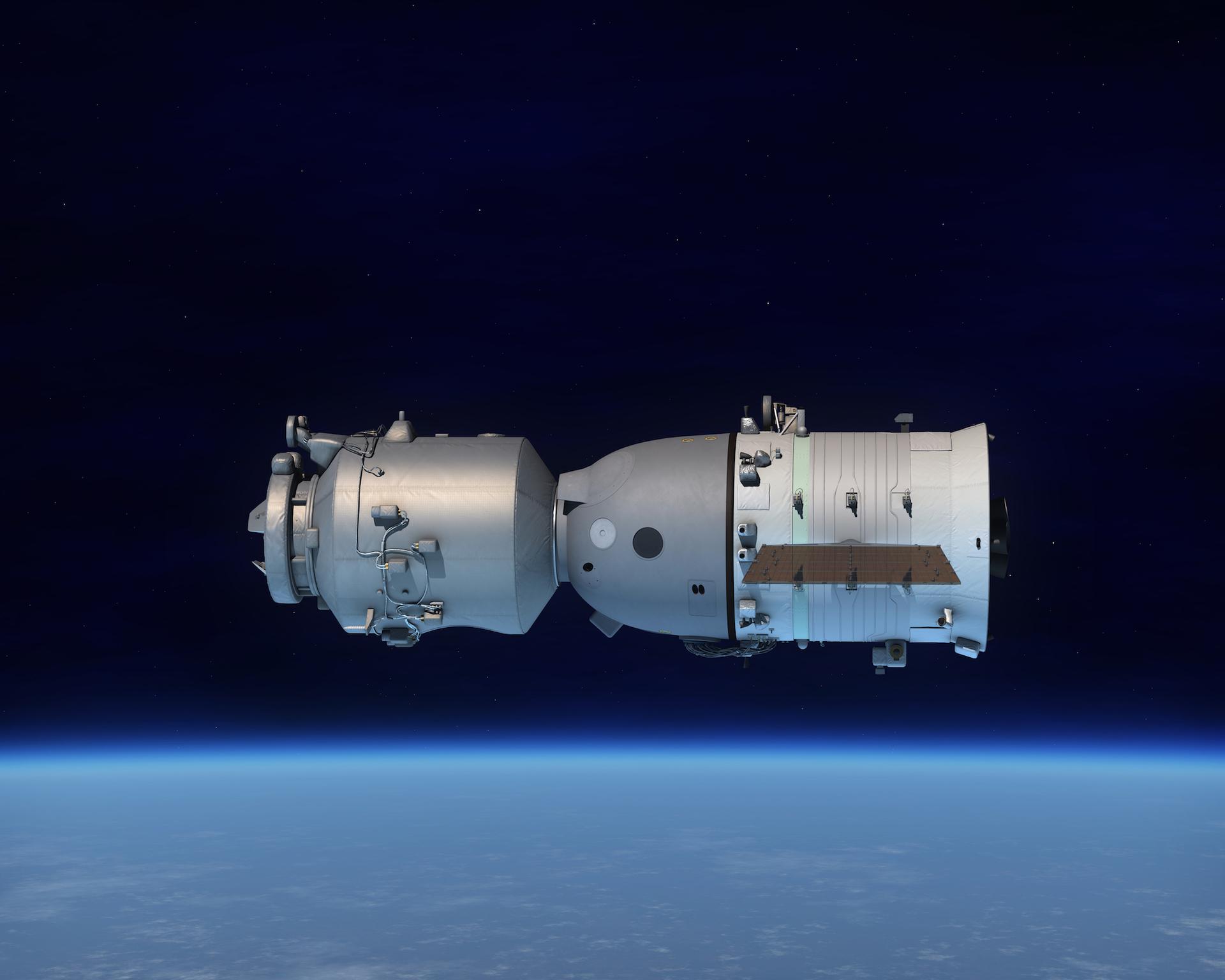
Shenzhou 17
China National Space Administration
Sixth crewed mission to the Chinese Space Station.
Shenzhou 18
China National Space Administration
Seventh crewed mission to the Chinese Space Station.
Shenzhou 23
China National Space Administration
Spacecraft used to launch 3 astronauts on the 11th crewed mission to the Chinese Space Station.
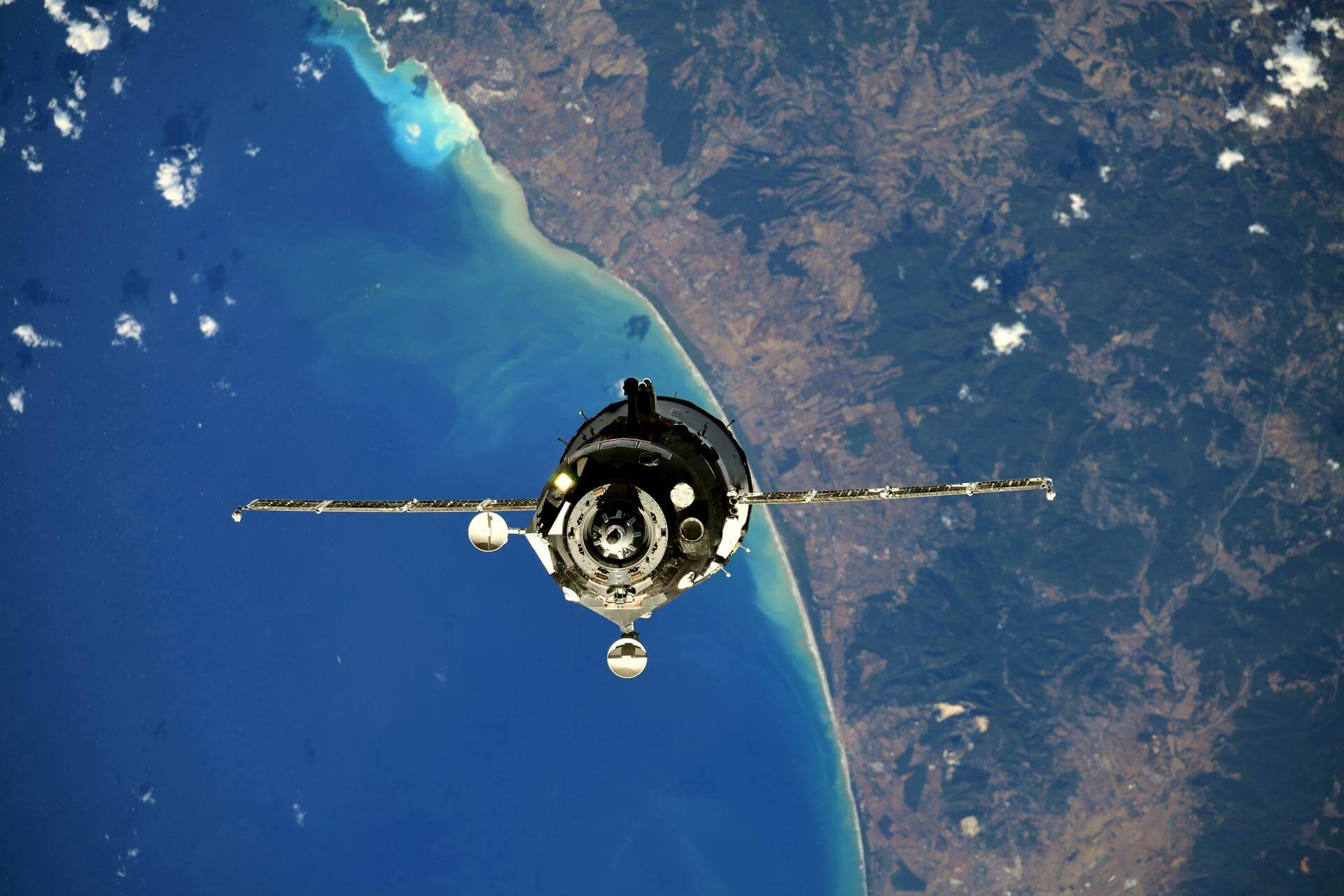
Soyuz MS-29
Russian Federal Space Agency (ROSCOSMOS)
Soyuz capsule for the MS-29 mission to the ISS.
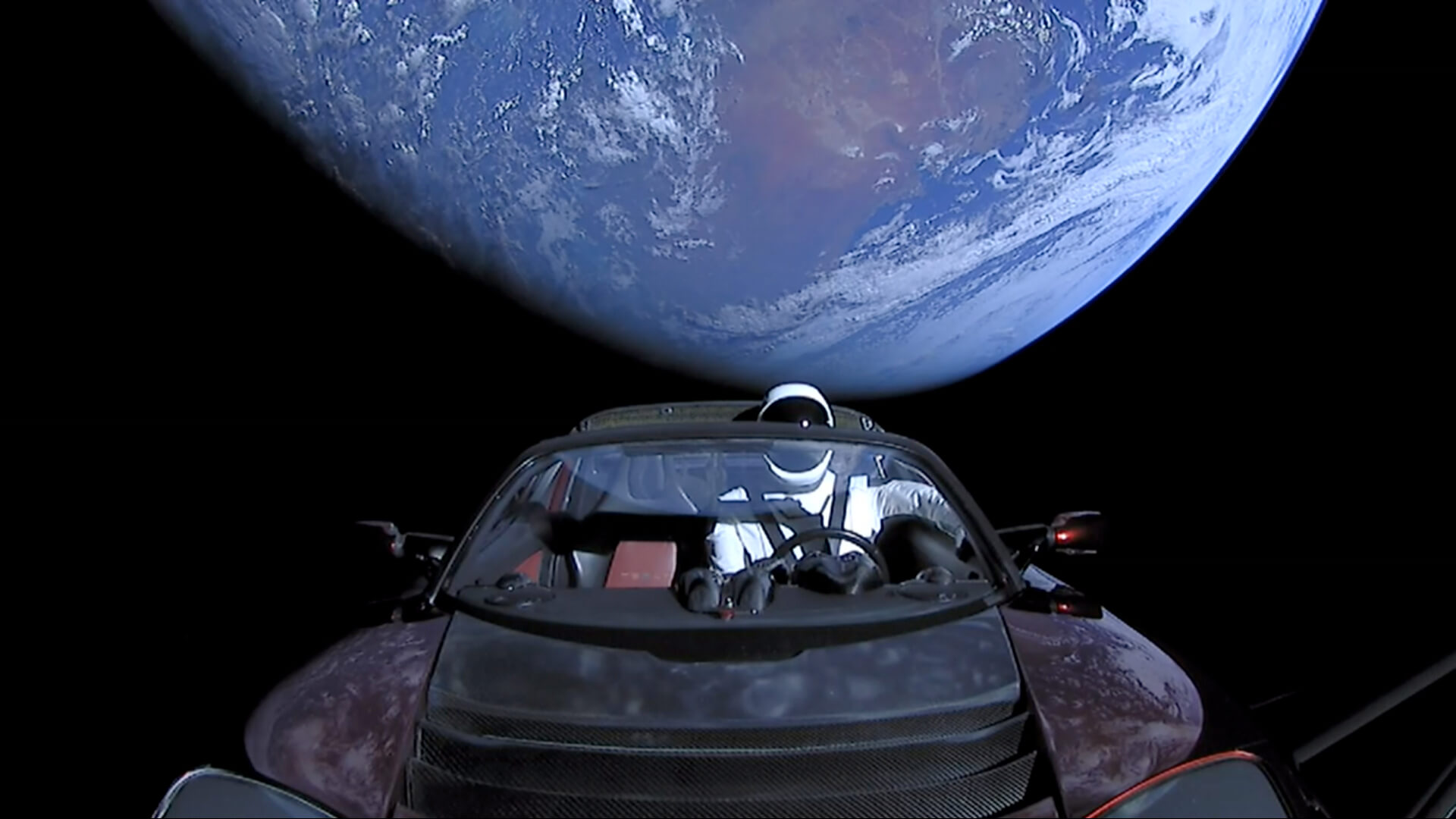
Tesla Roadster
SpaceX
Elon Musk's Tesla Roadster is an electric sports car that served as the dummy payload for the February 2018 Falcon Heavy test flight and became an artificial satellite of the Sun. "Starman", a mannequin dressed in a spacesuit, occupies the driver's seat. The car and rocket are products of Tesla and SpaceX, respectively, both companies founded by Elon Musk. The 2008-model Roadster was previously used by Musk for commuting to work, and is the only production car in space. The car, mounted on the rocket's second stage, acquired enough velocity to escape Earth's gravity and enter an elliptical heliocentric orbit crossing the orbit of Mars. The orbit reaches a maximum distance from the Sun at aphelion of 1.66 astronomical units (au). During the early portion of the voyage outside the Earth's atmosphere, live video was transmitted back to the mission control center and live-streamed for slightly over four hours.
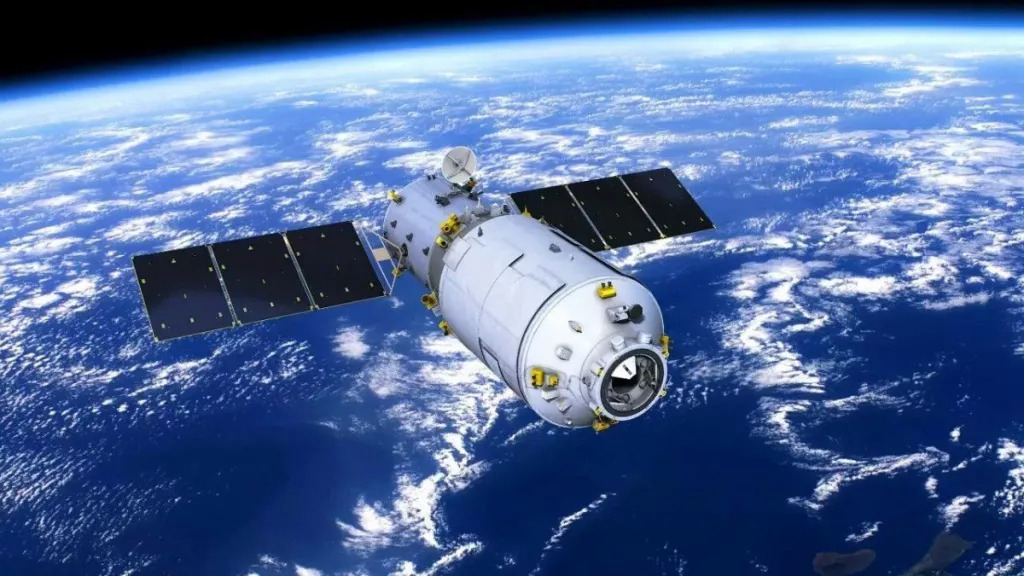
Tianzhou-7
China Aerospace Science and Technology Corporation
Seventh operational Tianzhou spacecraft
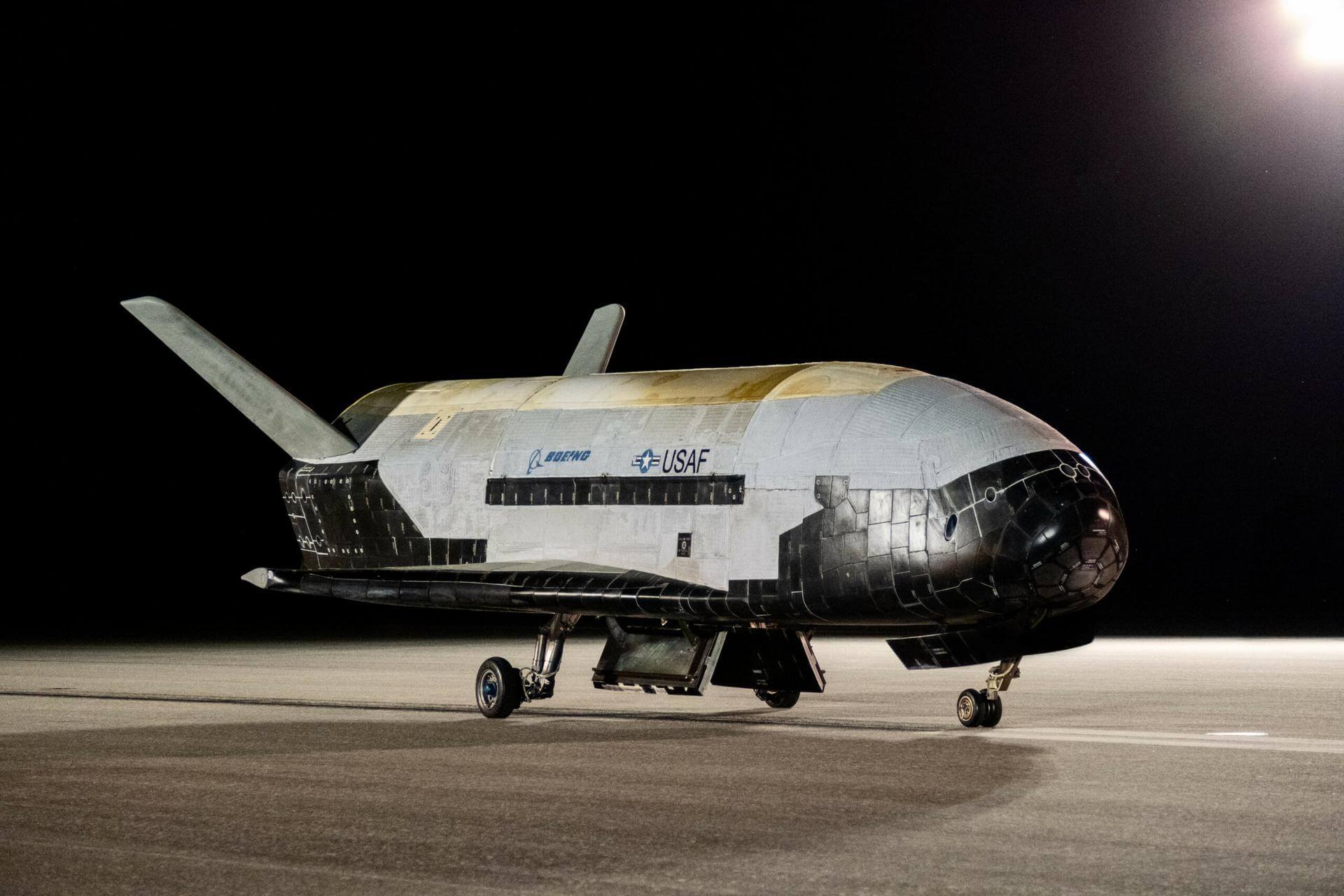
X-37B 2
Boeing
Second X-37B. First flight on March 5, 2011.
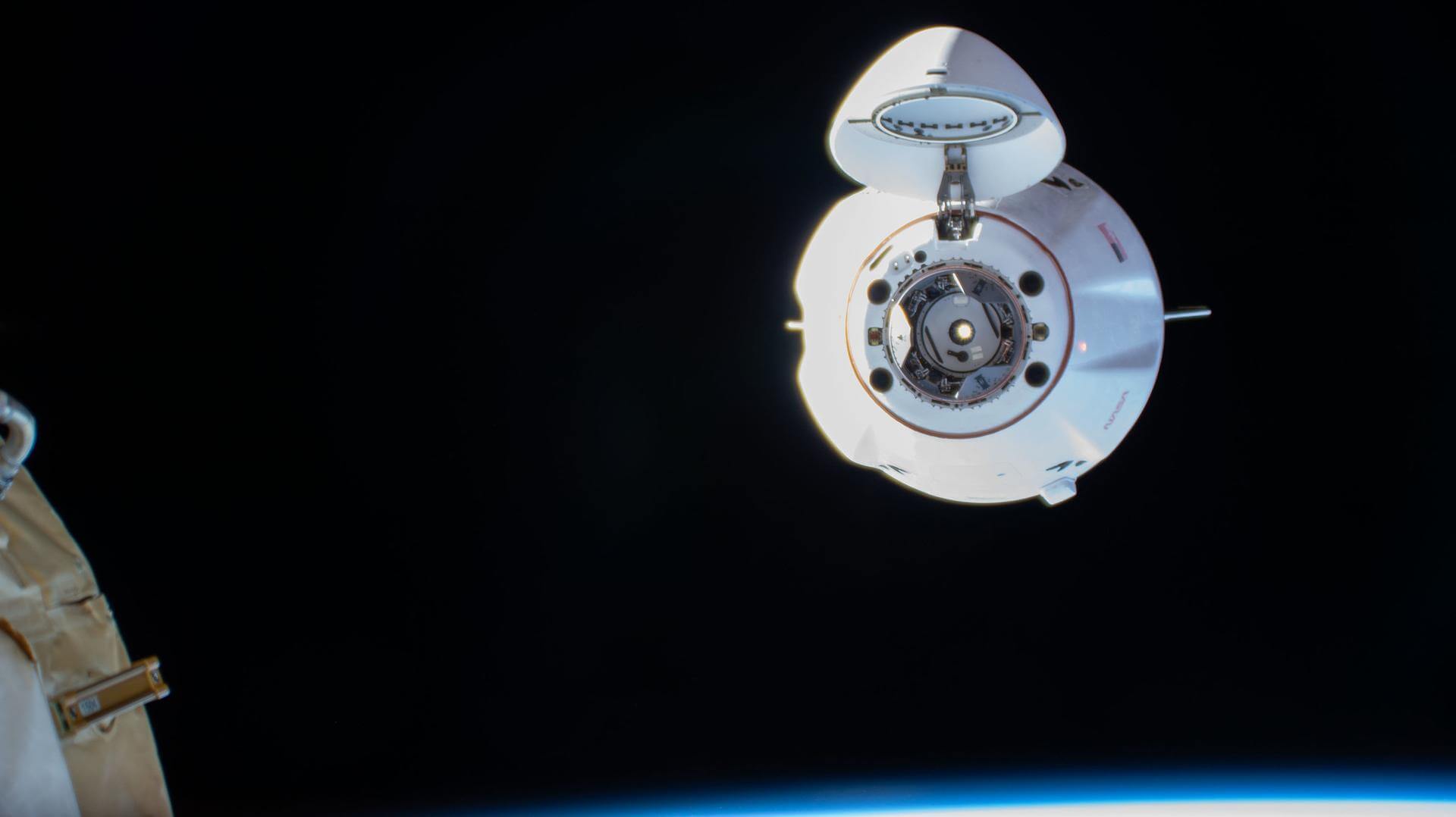
Cargo Dragon
SpaceX
The specific spacecraft for this launch is currently unknown.
Cargo Dragon C208
SpaceX
C208 is the first Cargo Dragon 2 and was launched as part of the CRS-21 mission.
Cargo Dragon C209
SpaceX
Second Cargo Dragon 2
Cargo Dragon C211
SpaceX
Third Cargo Dragon 2
Chinese reusable experimental spacecraft
China Aerospace Science and Technology Corporation
First Chinese reusable spacecraft
Crew Dragon
SpaceX
The specific spacecraft for this launch is currently unknown.
Crew Dragon C204
SpaceX
Crew Dragon C204 is the Crew Dragon spacecraft launched on the SpaceX DM-1 demonstration mission to the ISS. It was destroyed during an anomaly during testing in April 2019.
Crew Dragon C205
SpaceX
Crew Dragon 2 is the Crew Dragon spacecraft launched on the In Flight Abort Test.
Crew Dragon Endurance
SpaceX
Crew Dragon spacecraft used for the Crew-3 mission to the International Space Station.
Crew Dragon Freedom
SpaceX
Crew Dragon spacecraft first used for Crew-4.
Crew Dragon Grace
SpaceX
Crew Dragon spacecraft first used for Axiom-4.
Crew Dragon Resilience
SpaceX
Crew Dragon Resilience was used for the Crew-1 mission.