Electron | Bridging The Swarm (NeonSat-1A)
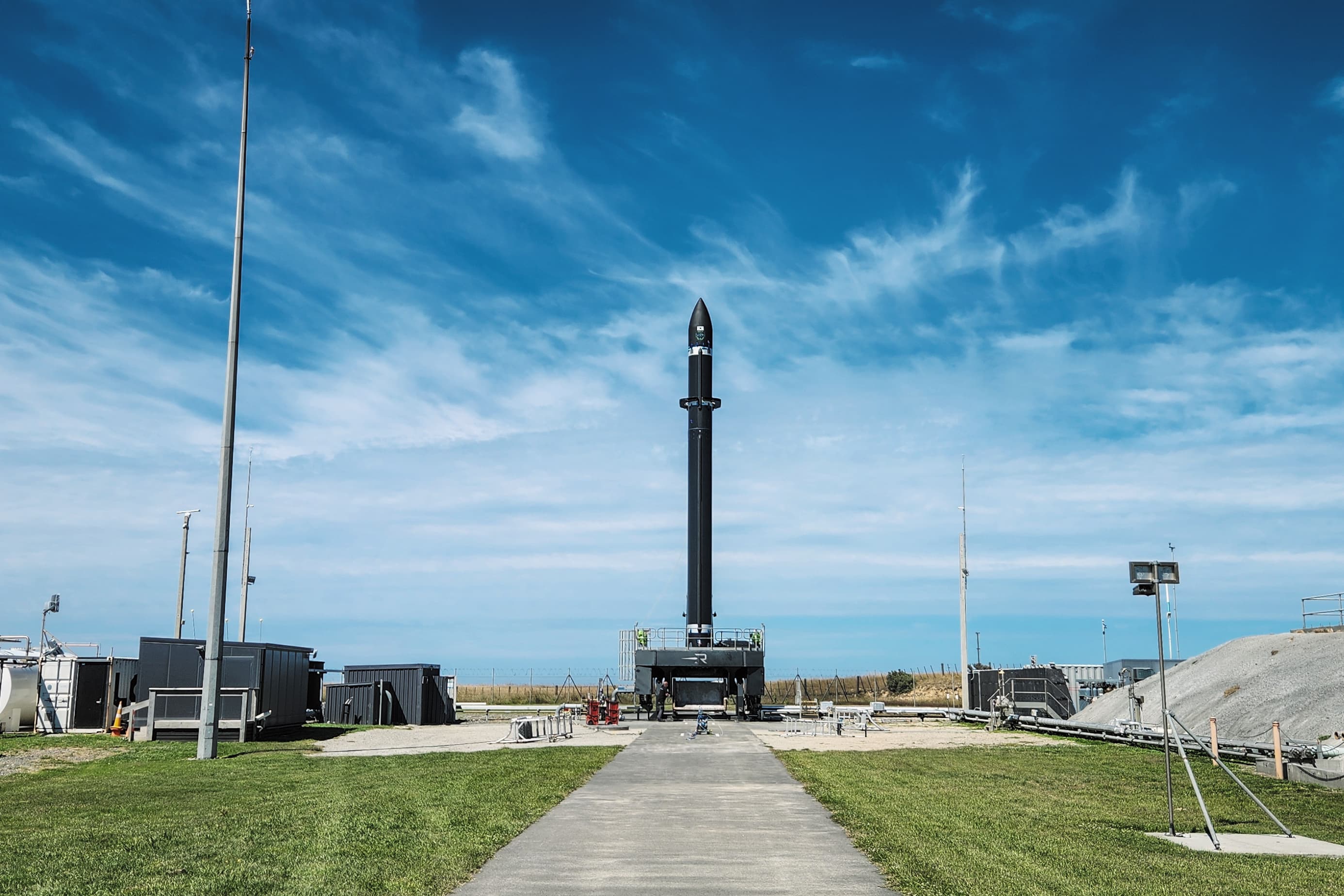
Rocket
Launch Probability
Mission Description
The NeonSat-1A, carrying a high-resolution optical camera, is designed to test the constellation capabilities of the South Korean government's Earth observation micro-satellite constellation NeonSat (New-space Earth Observation Satellite), in particular technology improvements identified from operations of NeonSat-1 after its launch in April 2024. These technologies will in turn be incorporated into the next 10 NeonSat under construction, as well as providing more site re-visiting capabilities along with NeonSat-1. The NeonSat constellation is the first satellite system developed by the government using a mass-production approach for precise monitoring of the Korean Peninsula, lead by the Satellite Technology Research Center (SaTReC) at the Korea Advanced Institute of Science and Technology (KAIST), Korea’s leading university dedicated to science and technology. Designed to capture near-real time natural disaster monitoring for the Korean peninsula, KAIST’s NEONSAT constellation is a collaboration across multiple Korean academic, industry, and research institutions, including SaTReC, which is leading the program’s system design and engineering. The NEONSAT program is funded by the Korean government’s Ministry of Science and ICT (MSIT).
Launch Videos
SCRUB | Rocket Lab - 'Bridging The Swarm' Launch

SCRUB | Rocket Lab - 'Bridging The Swarm' Launch

국내 최초 양산형 초소형 군집위성 검증기 발사 생중계
youtube.com
Rocket Lab - Bridging The Swarm' Launch
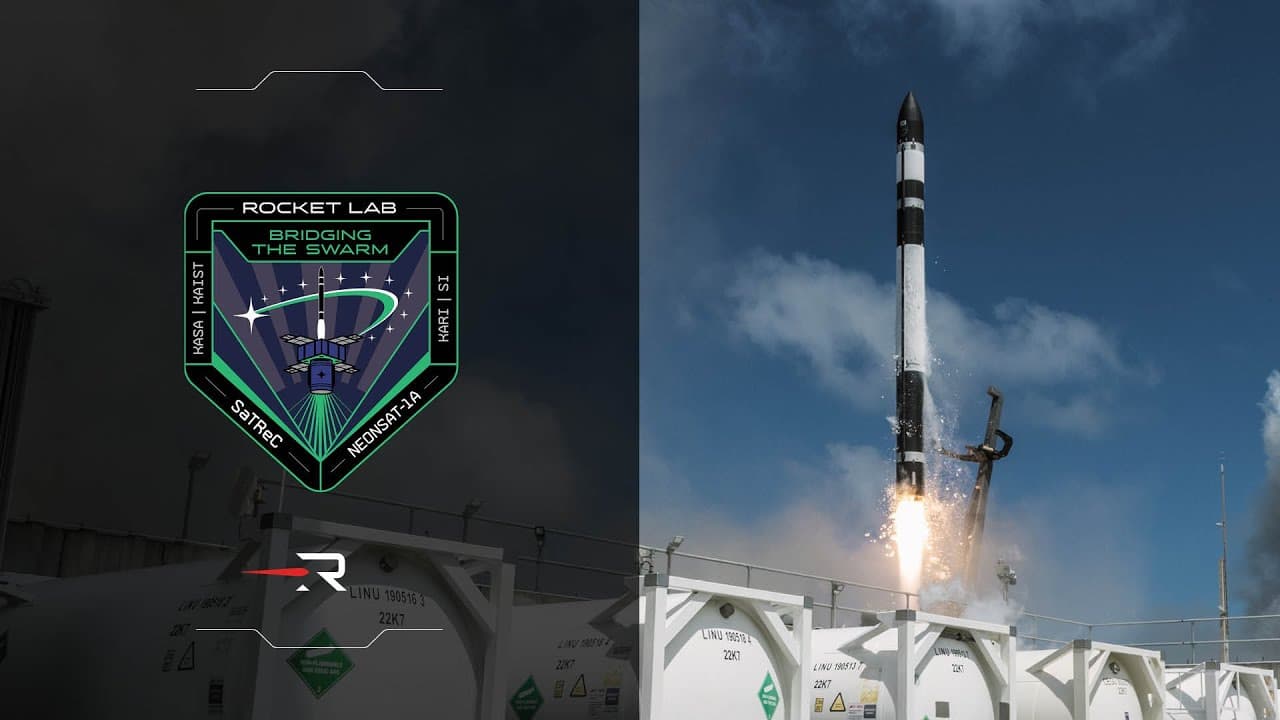
Rocket Lab - 'Bridging The Swarm' Launch
youtube.com
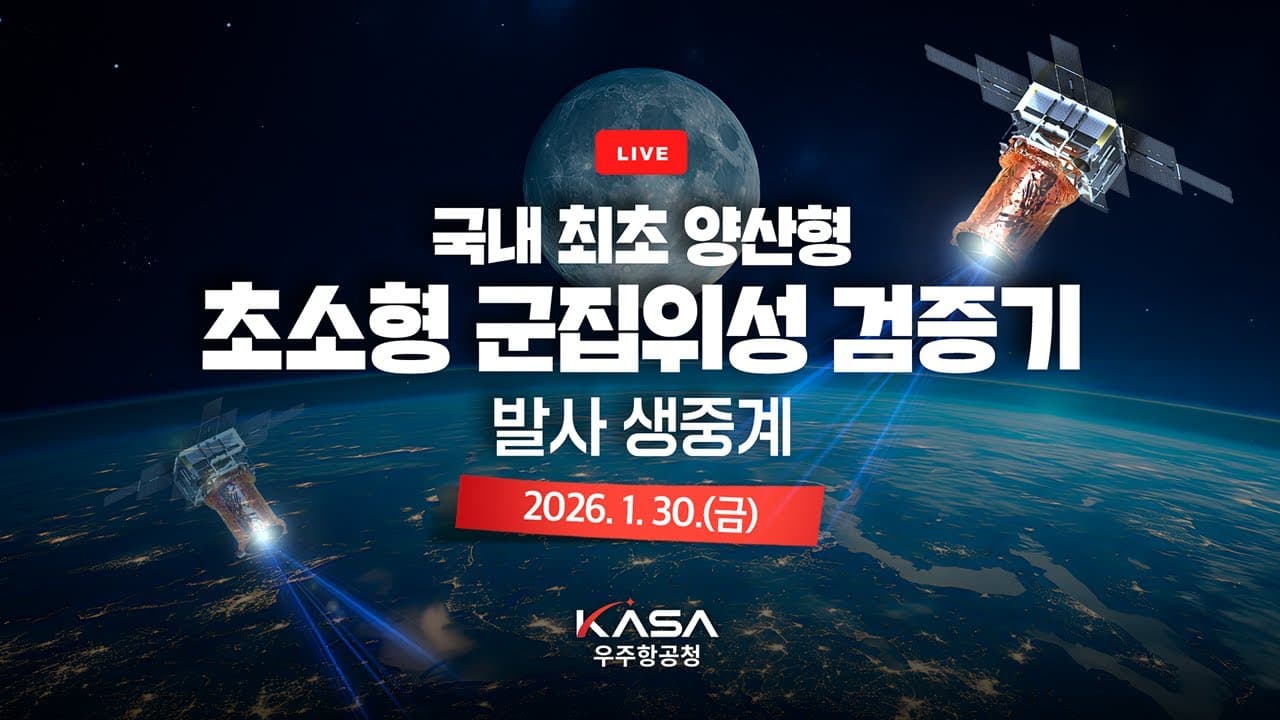
국내 최초 양산형 초소형 군집위성 검증기 발사 생중계
youtube.com
Mission Updates


Cosmic_Penguin
12/11/2025, 8:26:00 AM
Reverted back to December TBD pending new launch date.
More Info →Cosmic_Penguin
1/20/2026, 7:28:00 PM
NET January 27 LT per new navigation warnings, to be confirmed.
More Info →Cosmic_Penguin
1/24/2026, 10:36:00 PM
NET January 28 UTC, to be confirmed as for this launch.
More Info →Launch Details
Launch Window
1/29/2026, 10:45:00 PM
to 1/30/2026, 2:00:00 AM
Rocket Details
Electron
Launch Facility
Rocket Lab Launch Complex 1A
Rocket Lab Launch Complex 1, Mahia Peninsula, New Zealand
